
As a data analyst, think about all the data that is being generated from transactional data in a traditional database, and services that you use, to data points that you get from different areas like social media, banking, online ordering apps, hospitals, etc.
In a retail business, we collect and store massive amounts of data that track the items you browsed and purchased, the pages you've visited on their site, the retail web portals where you purchase products from, your spending habits, and much more.
With this data and information, the underlying challenge that organizations have today is understanding and using this data to positively effect change within the business. Businesses continue to struggle to use this data in a meaningful and productive way.
A retail business should be able to use their vast amounts of data and information in such a way that impacts the business, including:
- Detecting user trends and patterns
- Recommending purchases
- Identifying and stopping fraud
- Identifying purchase habits
- Tracking inventory
- Determining price optimizations
However, having data alone is not enough. You need to be able to act on the data. Reallocating resources within the business, or knowing when to transform the data to suite the situations are where telling a story with your data is important.
Your first step is to partner with data experts within your organization, such as data engineers and data scientists, to help get the data that you need to tell that story. Ask these experts to participate in that data journey with you.
Data analysis exists to help overcome these challenges and pain points, ultimately assisting businesses in finding insights and uncovering hidden value in troves of data through storytelling. As you read on, you will learn how to use and apply analytical skills to go beyond a single report and help impact and influence your organization by telling stories with data and driving that data culture.
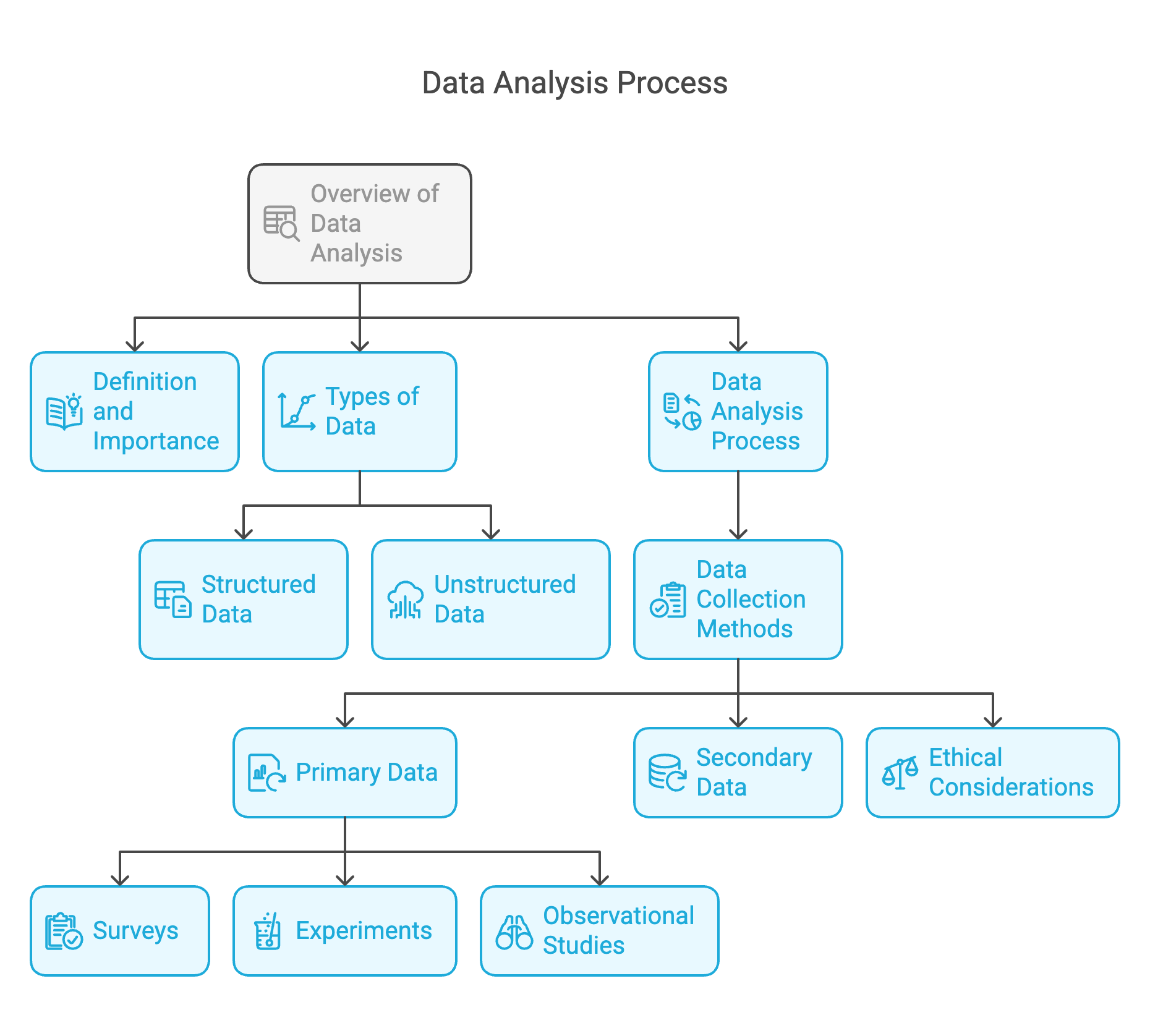
Overview of Data Analysis
- Definition and importance of data analysis
- Types of data: structured vs unstructured
- The data analysis process
Data Collection Methods
- Primary vs secondary data
- Surveys, experiments, and observational studies
- Ethical considerations in data collection
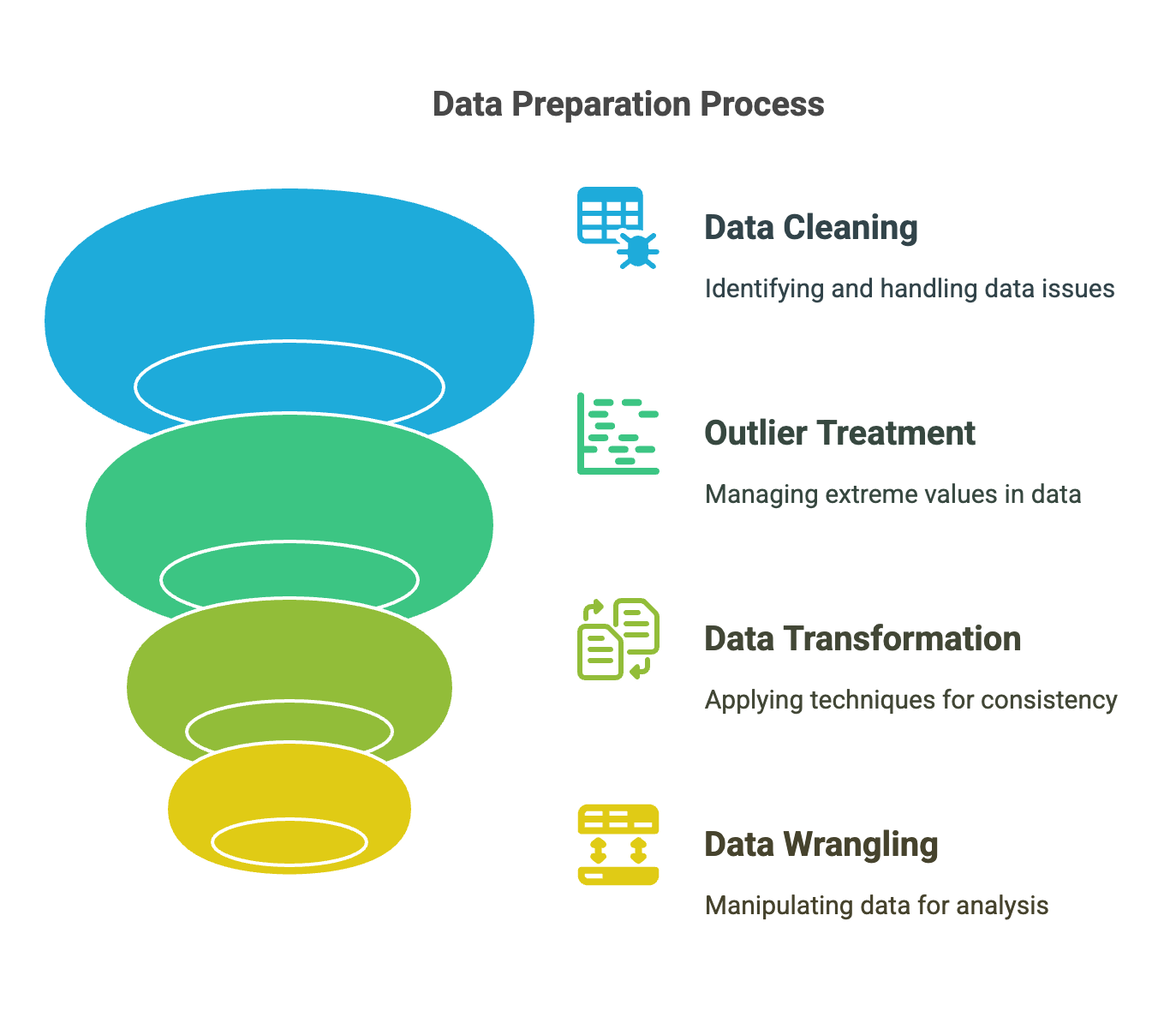
Data Preparation
Data Cleaning
- Identifying and handling missing data
- Outlier detection and treatment
- Data transformation techniques
- Introduction to data wrangling
- Using tools like Pandas for data manipulation
- Merging and reshaping datasets
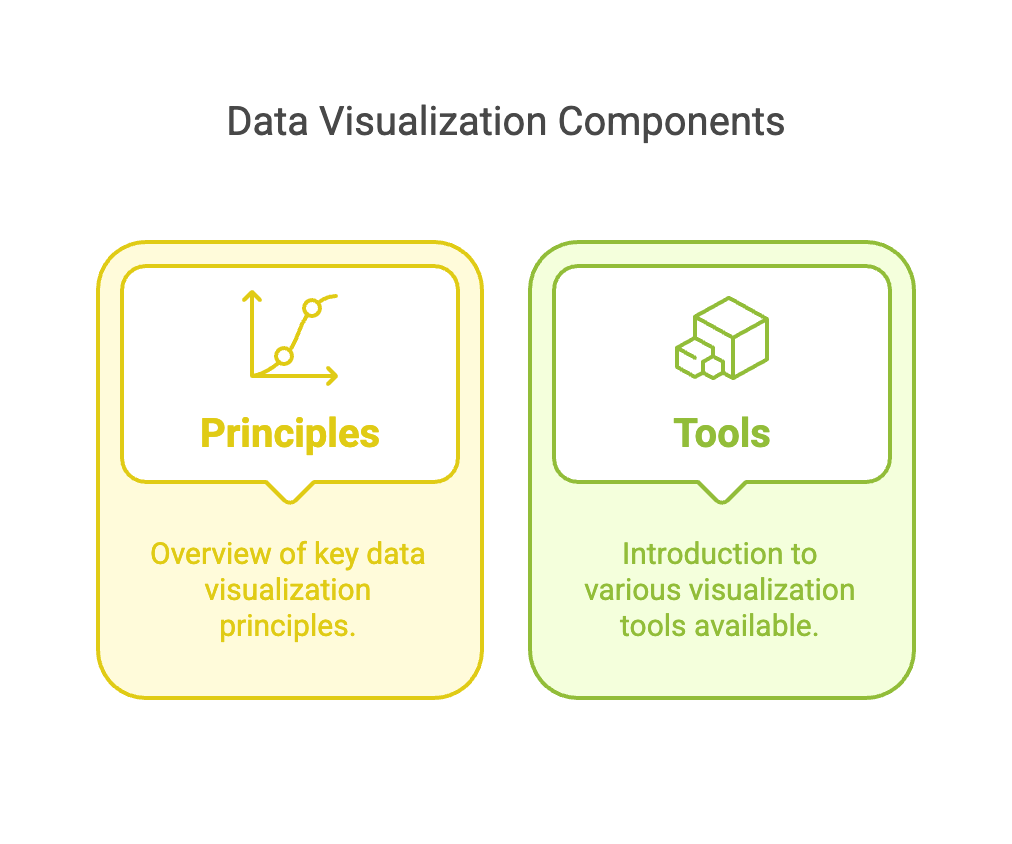
Data Visualization
- Importance of data visualization
- Common visualization types and when to use them
- Best practices for effective visual communication
- Introduction to visualization tools (e.g., Matplotlib, Seaborn, Power BI, Tableau, Google Looker Studio)
- Creating basic plots and charts
- Advanced visualization techniques